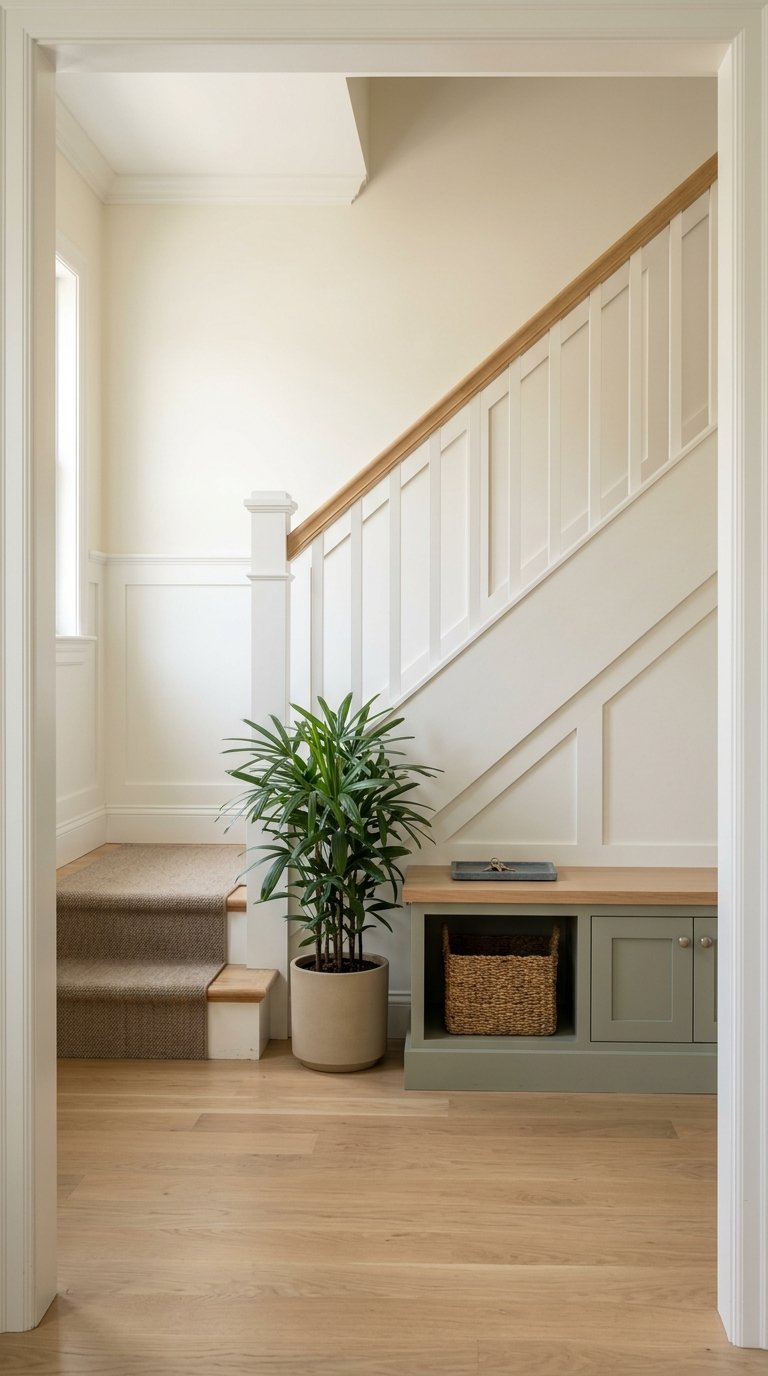
Planning A Cape May Move For Your Next Chapter
July 2, 2026
July 2, 2026
Are you dreaming about a move that feels less like a fresh start and more like a better fit for the life you want now? If Cape May is on your radar, you are probably looking for more than just a house. You may be looking for charm, a slower pace, and a home that supports your next chapter with less noise and more meaning. This guide will help you think through what a Cape May move really involves, from housing stock and lifestyle to preservation rules and flood planning. Let’s dive in.
Cape May is not a typical suburban market. It is a historic coastal resort city with a strong sense of place, and that shapes the buying experience from the start.
The city is widely known for its Victorian character, and its historic district is a National Historic Landmark because of its concentration of Victorian buildings. That history is not just a backdrop. It affects what homes look like, how neighborhoods feel, and what ownership can involve over time.
Cape May also has a more intimate downtown feel than many shore towns. The pedestrian Washington Street Mall helps create a walkable core where shops, dining, and daily outings feel easy and enjoyable.
At the same time, Cape May has an unusual level of regional access for a small resort town. The Cape May-Lewes Ferry runs year-round, carries vehicles, cyclists, and foot passengers, and makes the 17-mile crossing in about 85 minutes.
For many buyers, a Cape May move is about lifestyle first. You may be downsizing, planning a second home, or simply choosing a place that feels more personal and less centered on square footage.
Cape May often appeals to buyers who value history, coastal atmosphere, and a town with a strong identity. Instead of rows of newer homes, you are more likely to find character properties, smaller-scale housing, and a setting shaped by preservation and seasonal rhythm.
That seasonal rhythm matters. According to the city’s housing plan, 66.9% of housing units were vacant or used seasonally in the 2020 Census, while 33.2% were occupied. If you are moving here, it helps to be clear about whether you want a full-time home, a part-time retreat, or a flexible long-term plan.
Cape May’s housing stock is broad in style, but older in age. The city identifies architectural styles such as Gothic Revival, Italianate, Second Empire, Stick Style, Queen Anne, Shingle, Colonial Revival, Tudor Revival, Spanish Revival, and Bungalow Style.
That variety gives the market much of its visual charm. After the 1878 fire, much of Cape May was rebuilt in Queen Anne, Gothic, and American bracketed styles, which helps explain why so many homes still feel distinctive today.
From a practical standpoint, single-family detached homes are still the largest share of occupied housing units at 42.4%. Attached single-family homes account for 22.8%, while 2-unit properties make up 8.8%, 3- to 4-unit buildings make up 11.2%, and buildings with 10 or more units make up 11.6%.
For buyers planning a simpler next chapter, size may be one of the most useful details. In Cape May, 61.6% of occupied units have 2 or 3 bedrooms. That can be a strong fit if you want to reduce upkeep without giving up comfort.
Cape May is not mainly a new construction market. The city’s housing plan shows that 70.9% of the housing stock was built before 1980, and 29.5% was built before 1940.
Older homes often offer character, but they can also come with more maintenance planning. Systems, exterior materials, and long-term upkeep should all be part of your decision-making process, especially if you are comparing Cape May with a newer suburban market.
Pricing also reflects the city’s identity and demand. The same housing plan places the 2023 median home value at $879,600, and reports that 98.3% of homes are valued above $300,000.
One of the biggest differences in Cape May is that exterior work may be regulated, not just expensive. If a property is in the Historic District, the Historic Preservation Commission reviews and approves exterior alterations, new construction, demolition, and landscape changes.
Some projects require a full commission hearing. That includes additions, new houses, relocations, and solar panels.
The city’s design standards also cover roofs, windows, doors, porches, exterior cladding, utility equipment, flood mitigation, additions, relocation, and demolition. Properties may also be classified as contributing or non-contributing based on age and historic character.
If you already know you want to update a façade, add space, or change visible exterior elements, this should be part of your due diligence early. In Cape May, a charming house and a workable renovation plan are not always the same thing.
Flood risk is another major factor to think through before you buy. Cape May’s flood information resources state that the city can provide map information on flood depths, base flood elevation, V zones, historic flooding, mean high water, sea-level rise, projected sea-level rise, category 1 hurricane storm surge, and projected special flood hazard areas in 2050.
Just as important, the city states that homeowners insurance does not cover flood damage. Separate flood insurance is required, and NFIP coverage typically has a 30-day waiting period before it takes effect.
That means flood planning should not be an afterthought. You will want to understand the property’s flood zone, possible insurance requirements, and whether an elevation certificate is relevant before you get too far down the road.
In Cape May, the true cost of ownership can include more than the home itself. If you are buying an older property near the coast, you may need to budget for exterior maintenance, weather exposure, winterization, and ongoing property monitoring.
That is especially important if the home will not be occupied year-round. In a market with a high seasonal-use share, off-season management can be a real part of ownership.
A lower-maintenance property may make more sense than a larger or more complex one, depending on how often you plan to use it. If your goal is ease, it helps to evaluate the home not just for beauty, but for livability and care needs over time.
Cape May offers a pleasant day-to-day environment, but it is helpful to set expectations. Walk Score rates the area at 29 out of 100, which means it is car-dependent overall.
At the same time, Bike Score is 83 out of 100, and the Washington Street Mall creates a strong pedestrian experience in the downtown core. So yes, parts of Cape May feel very strollable, but that does not necessarily mean you can do every errand on foot.
If you are considering a lifestyle move, think carefully about your own routines. Dining, browsing, and enjoying the center of town may be easy on foot, while appointments, shopping, and broader errands may still require a car.
Cape May has more service access than some buyers expect, but planning still matters. Cape May County operates fare-free transportation and demand-response service, including feeder service to NJ Transit bus and rail service upon request.
NJ Transit materials show Cape May service on routes 313, 315, and 316. Route 319 connects New York, Atlantic City, and Cape May.
For medical care, the nearest major hospital facility is Cooper University Hospital Cape Regional in Cape May Court House. If healthcare access is part of your move planning, that is a useful point to keep in mind.
If you are seriously considering Cape May, these are smart questions to ask before making an offer:
A Cape May move can be a wonderful fit if you are drawn to character, coastal living, and a home that supports a different pace of life. But the best outcomes usually come from balancing emotion with planning.
You want to know not just whether a home feels right on day one, but whether it will still feel right after the first storm season, the first maintenance decision, or the first time you want to make exterior changes. In a market like Cape May, details matter.
If you are downsizing, buying a second home, or exploring a shore move with long-term lifestyle in mind, steady guidance can make the process much smoother. A thoughtful strategy helps you focus on the homes that fit both your vision and the realities of ownership.
If you are considering a move to Cape May and want calm, experienced guidance tailored to your goals, Robin M Anderson can help you think through the market, the property type, and the practical details that matter most.
Stay up to date on the latest real estate trends.


I provide a hands-on, high-touch approach, guiding every step of your real estate journey with care and expertise. From preparation and marketing to negotiation and closing, I focus on maximizing value and creating seamless experiences. My goal is to deliver exceptional outcomes while building long-term, trusted relationships.