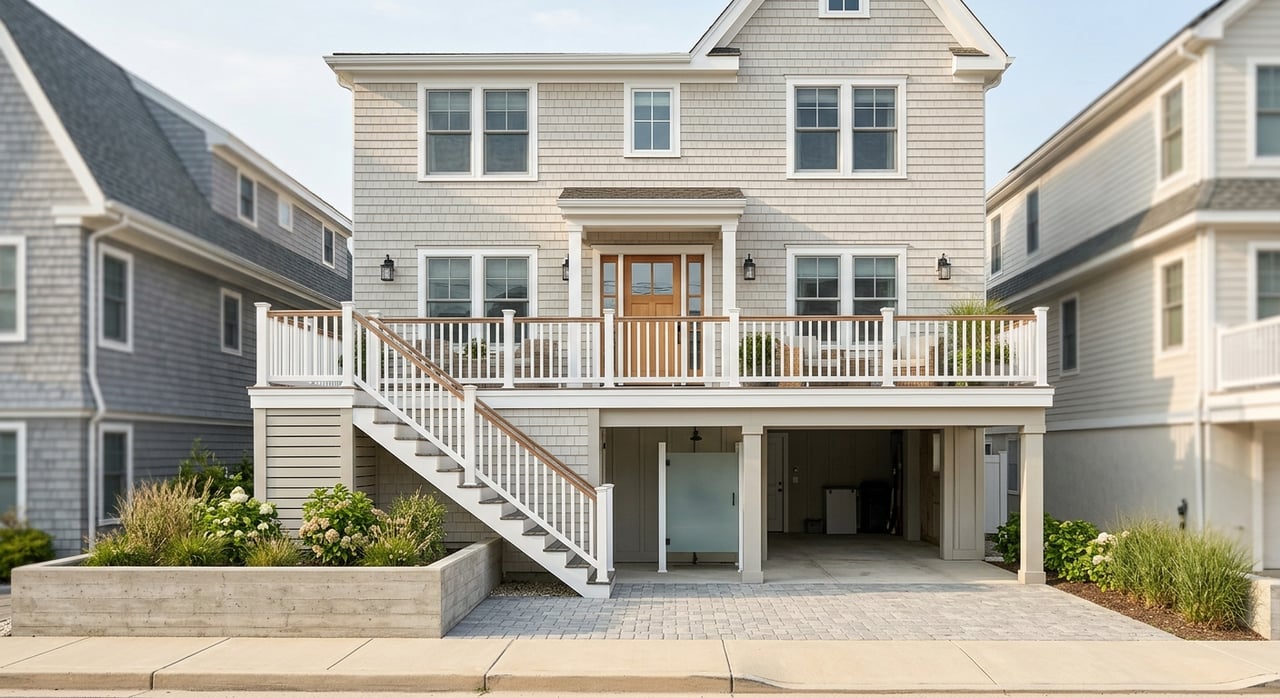
Choosing An Ocean City Shore Home That Fits Your Plans
July 23, 2026
July 23, 2026
If you are thinking about buying in Ocean City, the hardest part often is not deciding whether to buy, but choosing the kind of shore home that actually fits how you plan to use it. A place that feels perfect for summer weekends may feel less practical if you want more privacy, lower upkeep, or a property you can rent seasonally. When you understand how Ocean City is laid out, how its housing stock differs by area, and what ongoing costs can look like, you can make a much smarter decision. Let’s dive in.
Ocean City has a very specific identity, and that matters when you are choosing where and what to buy. The city sits at the northern tip of Cape May County, and the city says it is about 70 minutes from Philadelphia, which makes it especially practical for many Pennsylvania buyers seeking a second home.
It is also known for a clear resort character. Ocean City describes its 2.5-mile boardwalk as the center of its attractions, and the city’s master plan emphasizes preserving its family-oriented resort identity, existing single-family neighborhoods, and year-round population.
That combination gives you an important clue as a buyer. If you want a shore town with strong boardwalk access, repeatable family use, and a distinct residential structure beyond the tourist core, Ocean City offers a very specific fit.
Before you narrow in on listings, it helps to get clear about how you want to use the property. The right home in Ocean City often comes down to lifestyle more than square footage.
Ask yourself a few practical questions:
Your answers will usually point you toward either a condo-style property or a single-family home, and toward either the boardwalk-adjacent area or more residential sections of town.
If your top priorities are convenience, lower exterior upkeep, and a more lock-and-leave setup, a condo may be the better match. In Ocean City, that ownership model often aligns most naturally with resort and multi-unit areas closer to the boardwalk and central business zone.
That can work well if you want a home base for beach weekends without taking on as much exterior maintenance. It may also appeal to buyers who want shared services and a more streamlined ownership experience.
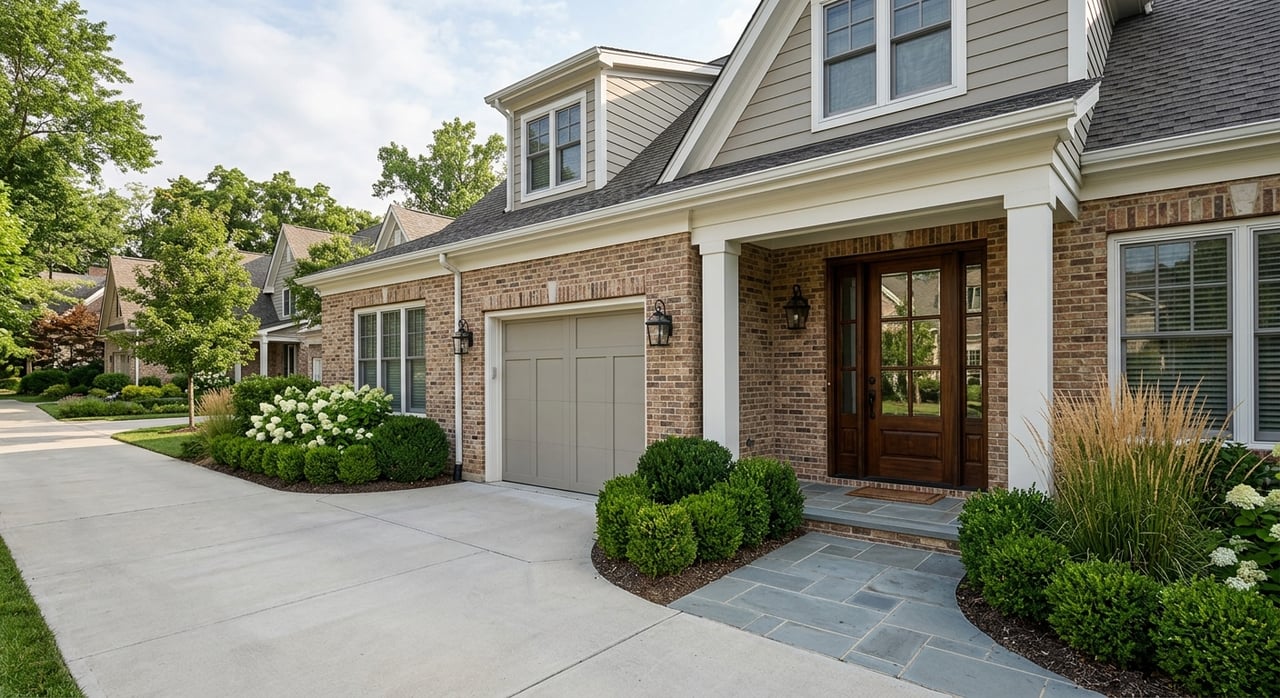
If you want more privacy, more control over the property, and a more neighborhood-like setting, a single-family home may be the stronger fit. Ocean City’s zoning code reserves many areas for detached one-family housing, including oceanfront, bayfront, lagoon, North End, and Ocean City Homes neighborhoods.
Some oceanfront and lagoon zones also allow two-family homes, but the broader pattern still tells you something important. Many parts of Ocean City are intentionally structured around detached residential living rather than multi-unit resort density.
The city’s zoning descriptions help buyers read the town more clearly. The North End R-1 neighborhood is intended for affordable single-family detached homes, while the Ocean City Homes R-1 neighborhood is described as a residential area of modest, primarily single-family homes on large lots with wide streets.
In practical terms, that means single-family buyers often find their best fit in areas built for a quieter, more residential lifestyle. Condo buyers, by contrast, will often focus more heavily on blocks tied to the resort core and multi-unit inventory.
For some buyers, the dream is simple. You want to leave the car parked, walk to the beach, grab food, enjoy attractions, and be in the middle of Ocean City’s summer rhythm.
That is where boardwalk-adjacent locations can shine. The city identifies the area from 6th to 15th Streets, between Central Avenue and the beach, as a mixed-use resort zone that supports commercial, amusement, hotel-motel, and residential multi-family uses.
Ocean City says the boardwalk is lined with shops, restaurants, movie theatres, amusement rides, miniature golf courses, and a water park. Cape May County also notes that the Music Pier hosts musical, artistic, and community events throughout the year.
If you love Ocean City but do not want to be in the center of the activity all the time, the quieter residential sections may make more sense. Named residential neighborhoods farther from the resort core generally offer a more neighborhood-oriented feel.
That difference can matter a lot, especially if you plan to spend longer stretches of time at the property. A home that feels exciting for a weekend may feel busy for an extended stay, while a quieter street may offer a better day-to-day rhythm.
Ocean City also stands apart from some other shore towns because of its public atmosphere and local rules. The municipal code prohibits the manufacture of alcoholic beverages and the possession, sale, or consumption of alcohol in public places, which supports the town’s family-oriented identity.
If that environment matches what you want from a shore home, that is a meaningful part of the value. It helps explain why Ocean City often appeals to buyers looking for a dependable, family-focused coastal routine.
Ocean City is a high-cost shore market by broad housing standards. Census QuickFacts lists a median owner-occupied housing value of $840,500 and median monthly owner costs of $3,242 for homes with a mortgage.
That does not mean every property falls at that number, but it does mean you should build your budget carefully. Shore-home affordability is about the full monthly and annual carrying cost, not just the sale price.
If you are considering a condo, make room in your budget for HOA or condo dues. Those assessments are used for common-area repair, replacement, maintenance, improvement, and operations, and they are a real part of ownership cost.
That makes condos appealing in one sense and more layered in another. You may reduce some direct exterior responsibilities, but you take on recurring shared expenses and association rules.
In a coastal market, flood insurance is another line item to review early. Standard homeowners insurance does not cover flood damage, and flood insurance may be required by a lender in mapped flood zones when the mortgage is government-backed.
This is one of the biggest reasons shore buyers should look beyond sticker price. A home that seems comparable at first glance can feel very different once insurance and carrying costs are fully understood.
Many second-home buyers at the shore at least consider seasonal rental use. If that is part of your plan, it is smart to understand local requirements before you buy.
Ocean City requires mercantile licenses or rental registrations for residential and commercial rental properties. The city’s 2025-2026 rental registration form shows seasonal residential one-unit registrations at $175 and two-unit registrations at $350, while one- and two-unit year-round residential tenants have no charge but must provide yearly documentation.
The city also notes lead-based paint inspection requirements for certain residential rental dwellings built before 1978 and rented for six months or more. That is the kind of detail worth reviewing before closing, especially if you are comparing older properties.
Even day-to-day ownership details can shape your experience. Ocean City’s beach-tag program requires tags for beachgoers age 12 and older during the season, and the city says the program helps fund beach maintenance, lifeguards, trash removal, equipment, and police protection.
Sometimes the best way to choose an Ocean City home is to compare the town to the broader South Jersey shore. Ocean City sits in a very specific place on that spectrum.
Sea Isle City is presented by the county as a family-friendly resort with a promenade, concerts, a weekly farmers market, and fireworks. Stone Harbor describes itself as a clean, quiet family resort with protected beaches and a relaxed atmosphere, while Wildwood is known for wide beaches, amusement piers, and nightlife.
Ocean City falls closer to the family-resort, boardwalk, dry-town side of that mix. It is generally more activity-oriented than a quieter town like Stone Harbor, while feeling different from nightlife-centered shore destinations.
For many buyers, that makes Ocean City especially attractive. If you want a second home with walkable attractions, a strong boardwalk identity, and a family-focused atmosphere, it often checks a lot of boxes.
When you bring all of this together, your decision usually becomes clearer. The best Ocean City shore home is the one that matches your real habits, not just your vacation-day imagination.
A good fit might look like this:
Choosing well in Ocean City is less about chasing a generic “shore dream” and more about matching the property to your plans. When you do that, your home is more likely to feel right not just on closing day, but for years to come.
If you are weighing condos versus single-family homes, comparing boardwalk access to quieter streets, or trying to make sense of Ocean City from a Pennsylvania buyer’s perspective, working with a local, strategic guide can make the process much easier. For thoughtful, personal guidance on buying at the South Jersey shore, connect with Robin M Anderson.
Stay up to date on the latest real estate trends.
I provide a hands-on, high-touch approach, guiding every step of your real estate journey with care and expertise. From preparation and marketing to negotiation and closing, I focus on maximizing value and creating seamless experiences. My goal is to deliver exceptional outcomes while building long-term, trusted relationships.