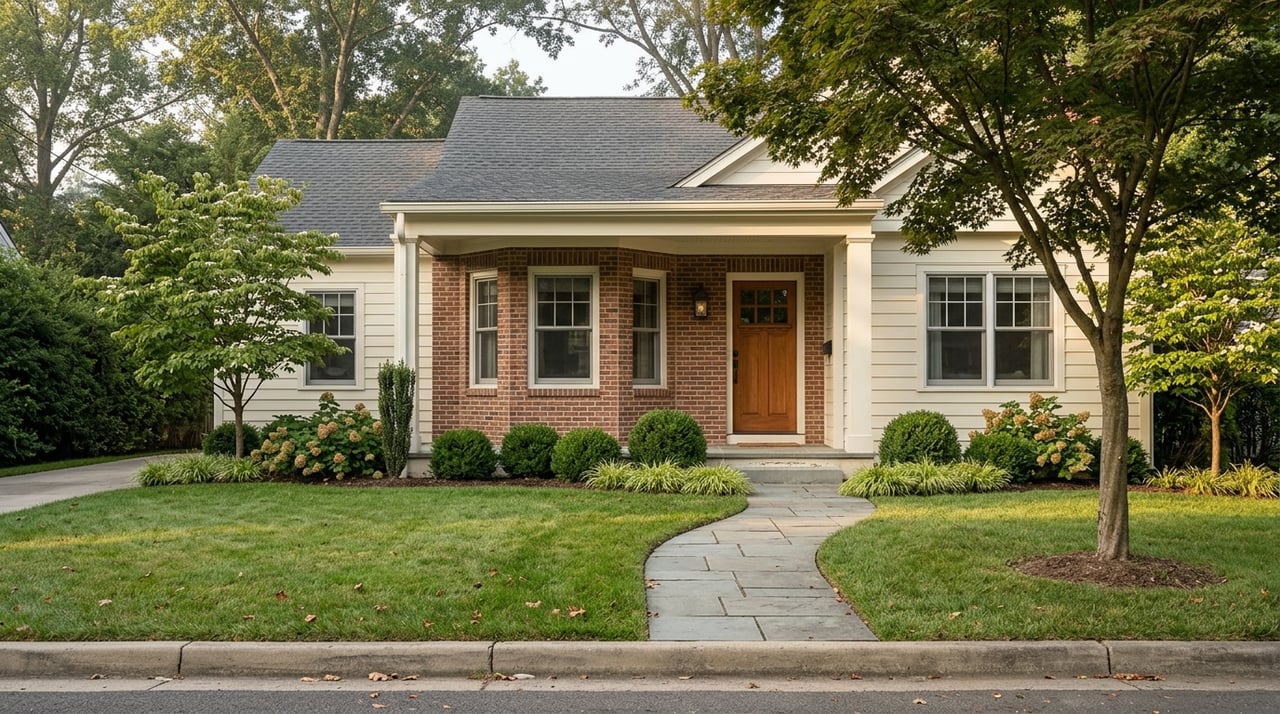
Wayne PA Home Comparison Guide for Nearby Suburbs
May 21, 2026
May 21, 2026
If you are deciding between Wayne and nearby suburbs, the hardest part is often not finding options. It is figuring out which town actually fits the way you want to live day to day. Price, commute, walkability, and housing style can all point you in different directions. This guide will help you compare Wayne with nearby suburbs in a practical, clear way so you can narrow your search with confidence. Let’s dive in.
Wayne has a distinct identity on the Main Line. SEPTA describes the center of town as one block north of Wayne Station on the Paoli/Thorndale Line, and the area is also served by Route 106. That gives Wayne a more station-centered feel than a typical suburban community built mainly around driving.
Wayne also has a notable historic element. Radnor Township’s Historic and Architectural Review Board works to protect and enhance the North Wayne Historic District. If you are drawn to places with established character, a recognizable downtown core, and historic housing stock, Wayne may feel different from newer or more spread-out suburban options.
For many buyers, the best comparison starts with how you will get around. Wayne is less than 20 miles from Center City, according to SEPTA, and offers rail access on the Paoli/Thorndale Line plus bus service. That combination can be appealing if you want a suburb with a real town center and transit access built into daily life.
Nearby suburbs offer different transit strengths. The key is not just commute time, but how you prefer to commute and what kind of town layout supports that routine.
Ardmore is another strong rail-oriented option. It has Paoli/Thorndale Line service, Amtrak Keystone Service, and several bus routes, including 44, 103, 105, and 106. SEPTA also notes that the new Ardmore Station opened on March 23, 2026, with elevators, ramps, and high-level platforms.
If you are comparing Wayne and Ardmore, both offer a downtown setting tied closely to transit. Ardmore may appeal to buyers who want more transit connections in one place, while Wayne may feel appealing if you want a historic, station-centered town with a slightly quieter identity.
Bryn Mawr also gives you strong transit access. It includes the Paoli/Thorndale Line, the Norristown High Speed Line, and bus routes 105 and 106. SEPTA describes Bryn Mawr as having a quaint downtown with local shops, restaurants, art galleries, scenic parks, and historic homes.
Compared with Wayne, Bryn Mawr offers another walkable, established Main Line setting. Your choice may come down to which downtown environment, housing mix, and price point feel like the better fit.
Paoli is a useful comparison if rail access is high on your list. SEPTA notes that Amtrak and SEPTA connect at Paoli Station, which makes it a strong rail-first option.
If your top priority is maximizing train connectivity, Paoli deserves a close look. Wayne, by contrast, may stand out more for its combination of transit access and a defined historic downtown atmosphere.
West Chester offers a different suburban pattern. SEPTA directs riders to bus routes 92 and 104 at the transportation center, and the borough has a Walk Score of 74, which places it in the very walkable range.
For some buyers, West Chester feels appealing because of its active borough setting and pedestrian-friendly core. If you are comparing it with Wayne, the difference is less about which place is better and more about whether you prefer a rail-served Main Line town or a walkable borough with bus-based transit connections.
Media is another strong option for buyers who want a town center experience. The 101 trolley runs through State Street, which is Media’s main shopping district. The borough also says walkability is one of the key reasons residents choose Media, while noting that not every section is fully walkable.
Wayne and Media both offer a downtown lifestyle within a suburban setting. If you are deciding between them, it can help to look closely at the type of transit you want, the housing styles you prefer, and how important Main Line access is to your search.
Raw commute times do not always tell the full story. Census data shows Wayne at 27.6 minutes, Bryn Mawr at 25.2 minutes, and Paoli at 23.4 minutes. Those numbers are relatively close.
That means the bigger differences often come from daily convenience rather than the average number alone. The real question is whether you want train access, multiple transit modes, a compact downtown, or a more car-oriented routine with occasional walkability.
Price is often the fastest way to narrow your options, but it helps to think in ranges instead of fixed labels. Wayne’s recent Redfin median sale price was $665,000 in March 2026. Current Wayne inventory also spans from a condo listed at $319,900 to multimillion-dollar estate-level properties.
That range matters because Wayne is not a one-note market. You may find smaller attached homes, updated older homes, and higher-end properties, all within the same broader area.
Based on recent Redfin median sale prices, Wayne sits above several nearby locations but below some of the top-end Main Line markets.
| Area | Recent Median Sale Price |
|---|---|
| West Chester | $380,000 |
| Media | $505,000 |
| Paoli | $540,000 |
| Ardmore | $605,000 |
| Wayne | $665,000 |
| Bryn Mawr | $759,000 |
These are best used as directional price bands, not perfect apples-to-apples comparisons. The areas are different geographies, and methodology can vary across places and time periods. Still, this snapshot is useful if you are deciding whether Wayne fits your budget and your expectations.
Wayne works well for buyers who want variety within a mid-to-upper Main Line price point. Based on current listings and median price data, the market can include condos, attached homes, updated older houses, and luxury properties. That gives you more than one path into the area.
This is important when you compare Wayne with nearby suburbs. Some buyers assume Main Line communities all offer the same housing experience, but they do not. One town may lean more heavily toward station-area homes and historic character, while another may offer a different mix of townhomes, borough living, or higher-end estate inventory.
If you are touring Wayne alongside nearby suburbs, keep your comparison focused on facts you can measure and feel in real life. A simple framework can make the decision clearer.
When you answer those questions honestly, the right town often becomes easier to spot.
Wayne may be a strong fit if you want a suburban location with a real downtown core, rail access, and established character. It can also make sense if you want flexibility in housing type while staying in a mid-to-upper price bracket on the Main Line.
It may especially stand out if your priorities include a station-centered layout, proximity to Center City, and a town environment that feels rooted rather than generic. Those qualities are part of what makes Wayne distinct in this corridor.
The best suburb for you is not always the one with the shortest commute or the lowest median price. It is the one that supports your routine, your budget, and the way you want your home to feel. Wayne offers a compelling mix of transit access, historic character, and housing range, but the right answer becomes clear only when you compare it against nearby suburbs with the same care.
If you want help weighing Wayne against Media, West Chester, Paoli, Ardmore, Bryn Mawr, or another nearby market, Robin M Anderson can help you compare options clearly and make a confident move.
Stay up to date on the latest real estate trends.


I provide a hands-on, high-touch approach, guiding every step of your real estate journey with care and expertise. From preparation and marketing to negotiation and closing, I focus on maximizing value and creating seamless experiences. My goal is to deliver exceptional outcomes while building long-term, trusted relationships.